Graduate Admissions

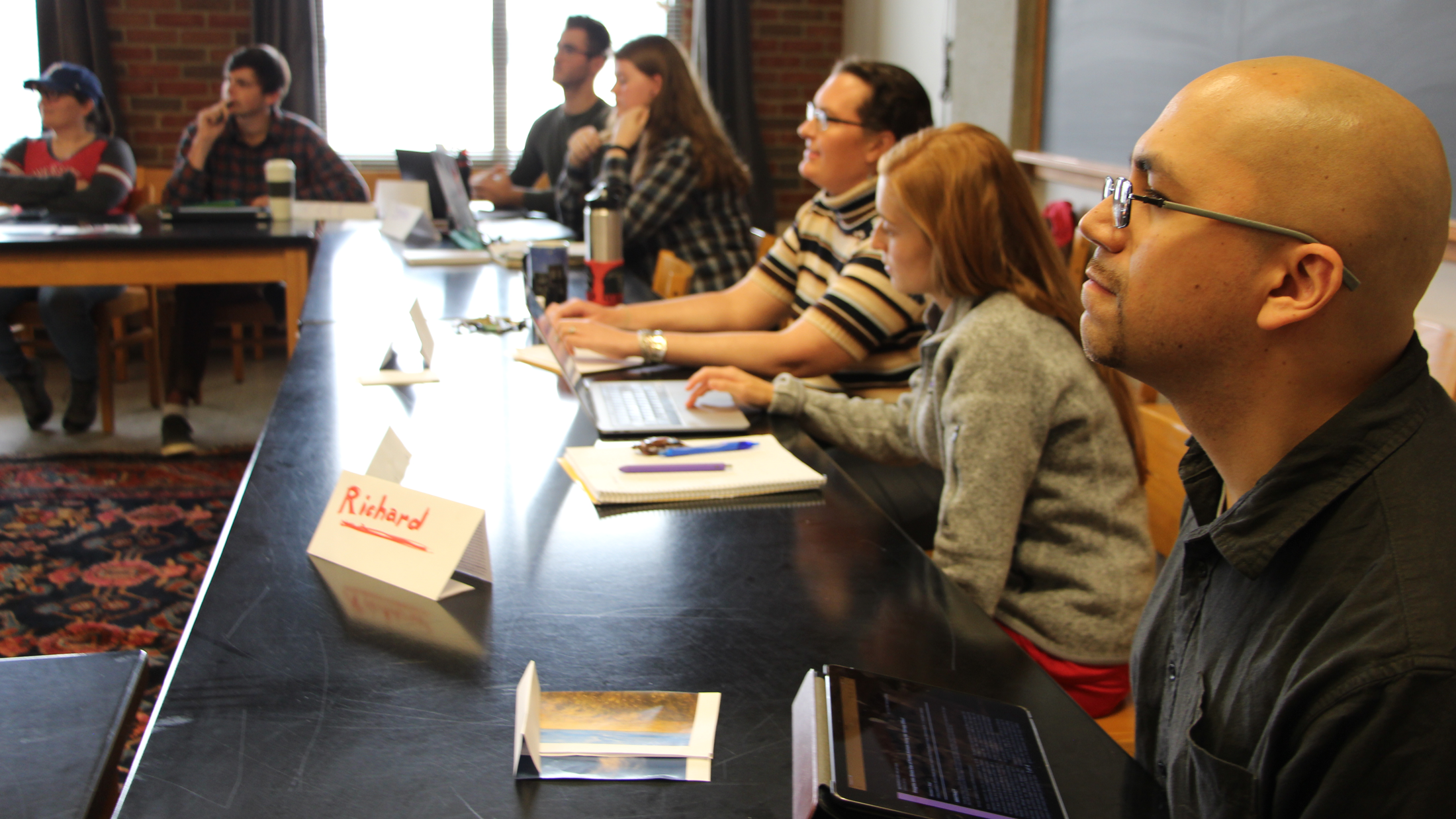
Graduate Students seated at tables

The College of Arts and Sciences at the University of Cincinnati offers 22 Master’s, 15 doctoral programs, and 11 graduate certificates, enrolling over 1,000 students. Seventeen majors also offer a 4+1 option, allowing undergraduates to earn both a Bachelor’s and Master’s degree in five years. Programs are customizable, with options like Chemistry (biochemistry to computational chemistry) and Sociology (research in hospitals and government). Last year, A&S researchers secured nearly $11 million in external funding, providing a dynamic, hands-on learning environment.

Alumni

As a proud alum of the University of Cincinnati’s College of Arts and Sciences, you already know the value of a UC education. Now, take the next step with one of our 22 Master’s programs, 15 doctoral degrees, or 11 graduate certificates.

Whether you're looking to deepen your expertise, pivot to a new field, or enhance your career, our flexible and rigorous graduate programs offer the tools to help you succeed. With opportunities for interdisciplinary study, real-world research experience, and a vibrant academic community, there’s no better place to continue your journey than right here at UC.
1

Sugar overload killing hearts

November 10, 2025

Two in five people will be told they have diabetes during their lifetime. And people who have diabetes are twice as likely to develop heart disease. One of the deadliest dangers? Diabetic cardiomyopathy. But groundbreaking University of Cincinnati research hopes to stop and even reverse the damage before it’s too late.

2

App turns smartwatch into detector of structural heart disease

November 10, 2025

An app that uses an AI model to read a single-lead ECG from a smartwatch can detect structural heart disease, researchers reported at the 2025 Scientific Sessions of the American Heart Association. Although the technology requires further validation, researchers said it could help improve the identification of patients with heart failure, valvular conditions and left ventricular hypertrophy before they become symptomatic, which could improve the prognosis for people with these conditions.